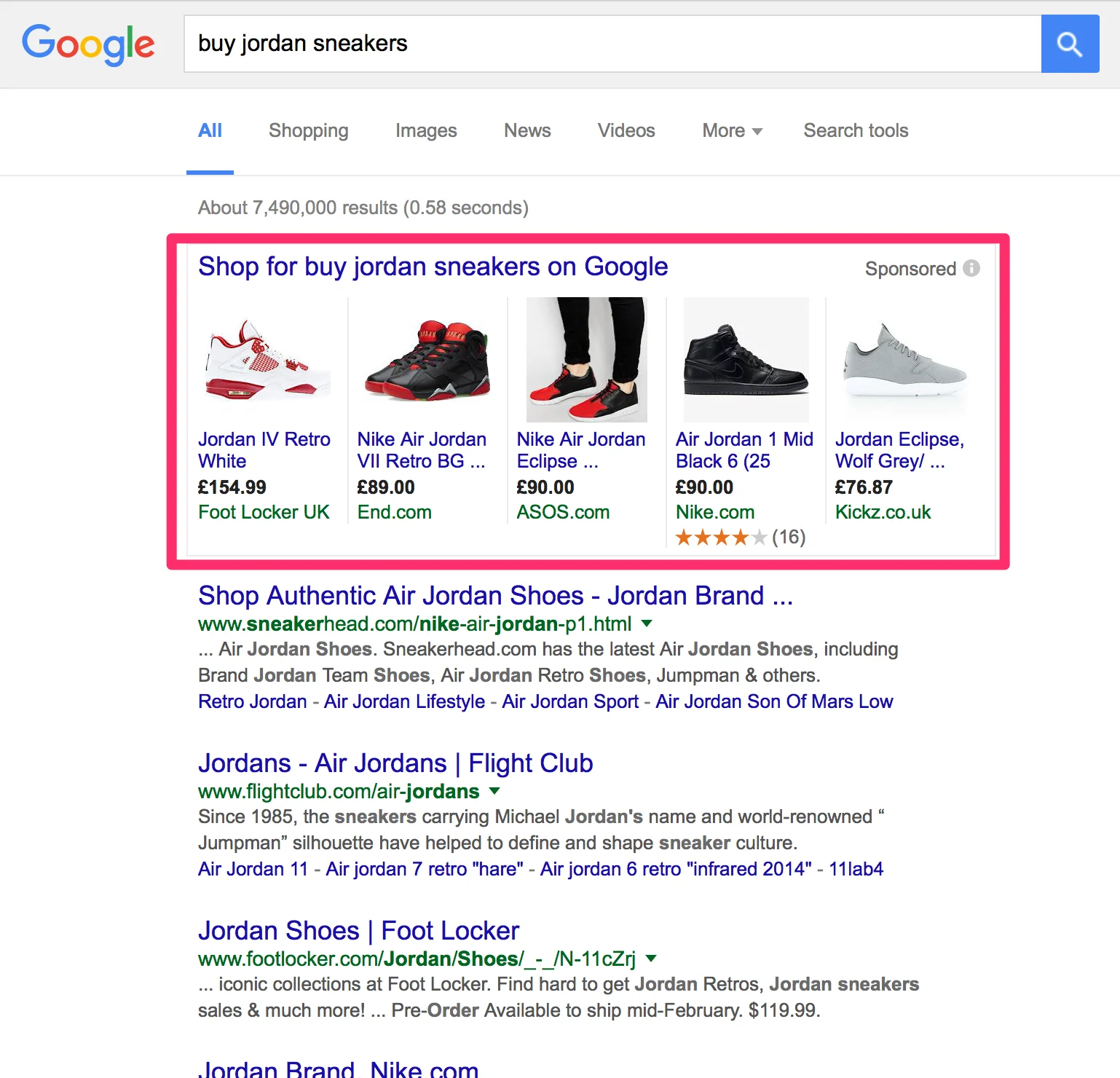
Google is rolling out Shopping Ads to 15 additional European markets in two phases. Here is what retailers need to know to prepare.
Google is expanding Shopping Ads to 15 additional European markets, giving more retailers across the region access to one of its most product-driven ad formats. According to industry reporting on the rollout, the expansion will happen in two phases, bringing Shopping Ads to a wider group of European retailers over the coming months.
This matters because Shopping Ads are not standard text ads. They show product images, titles, prices, and store names directly in Google surfaces, which makes them especially valuable for retailers targeting high-intent buyers. As explained in Google Merchant Center documentation, Shopping Ads and free listings rely on structured product data, which means feed quality, landing page accuracy, and campaign setup all play a central role in performance.
For ecommerce brands already active in Google Ads, this rollout creates a practical path to broader regional visibility. Google also notes in its guidance on multi-country Shopping Ads and free listings that merchants can target multiple countries from a single offer and in some cases use automatic currency conversion when selling internationally. That lowers part of the technical barrier to expansion, although it does not remove the need for strong localization.
Localization is where many retailers will win or lose. Merchants still need to make sure their language, pricing, shipping, and landing page experience match the market they want to serve. Google’s supported languages and currencies guidance makes clear that product data and website content need to align with the target country in order for campaigns to perform properly.
In other words, this is not just a geographic expansion. It is a growth opportunity for retailers that already have clean product feeds, reliable availability data, and the ability to tailor their store experience to new audiences. Brands that treat Shopping Ads as part of a broader cross-border ecommerce strategy will be in a much stronger position than those that simply switch on new markets without adapting their setup.
The takeaway is clear: Google is opening more of Europe to Shopping Ads, and retailers that prepare early with the right feed structure, language alignment, and market targeting can put themselves in a far better position to capture demand as these newly eligible markets become more competitive. The expansion itself was first highlighted by Search Engine Roundtable, while the operational requirements are detailed across Google’s Merchant Center help resources.

AI paid search could reshape digital advertising as generative AI platforms evolve. Discover what businesses should do now to prepare for AI-driven ads, from strengthening content authority to improving technical SEO and data strategies.

Discover the updated 2026 price list for digital marketing services, complete with the latest trends and cost factors shaping the industry. From SEO and PPC to social media, influencer marketing, and web design, we break down what businesses should expect to pay this year. Make smarter budget decisions with real insights tailored for 2026.

Budgeting for digital marketing will help ensure you have a steady stream of prospects and provide relationships with customers.


No comments