Rebranding after a merger requires more than a new logo. Discover how to align messaging, culture, and brand identity to integrate two brands seamlessly and preserve market confidence.
Mergers and acquisitions can unlock new growth opportunities, but rebranding after a merger is essential to expanding market share and unifying product or service offerings under a clear, cohesive identity. However, they also present one of the most challenging branding scenarios a company can face: integrating two distinct brands into a cohesive identity. Without careful planning, a rebrand can confuse customers, alienate employees, and dilute brand equity.
For companies navigating these changes, a thoughtful, strategic approach to rebranding is essential. New Light Digital has helped businesses successfully merge their brands while maintaining customer loyalty and market relevance.
Explore best practices for rebranding after a merger or acquisition, ensuring a seamless integration that strengthens, rather than diminishes, brand presence.
When two companies combine, each brings its own reputation, culture, and customer expectations. Customers familiar with one brand may not immediately understand the value of the combined entity. Employees may feel uncertain about the company’s direction. Competitors may exploit perceived weaknesses during the transition.
Rebranding addresses these challenges by:
Research indicates that companies that invest in careful brand integration after mergers experience higher customer retention and stronger long-term financial performance.
Before any integration, you must understand the strengths, weaknesses, and perceptions of both brands. A brand audit assesses:
By evaluating these elements, companies can identify overlapping strengths, gaps, and potential conflicts. The audit informs strategic decisions about whether to fully merge brands, adopt a hybrid approach, or maintain separate identities for certain markets or segments.
After understanding both brands, the next step is defining the strategy for the integrated brand. This involves:
Creating a clear brand strategy ensures that all stakeholders understand the direction and that marketing efforts are consistent.
Not all mergers require the same rebranding approach. There are three primary strategies:
Choosing the right approach depends on brand equity, customer perception, and business goals. A thoughtful decision at this stage prevents confusion and maximizes market impact.
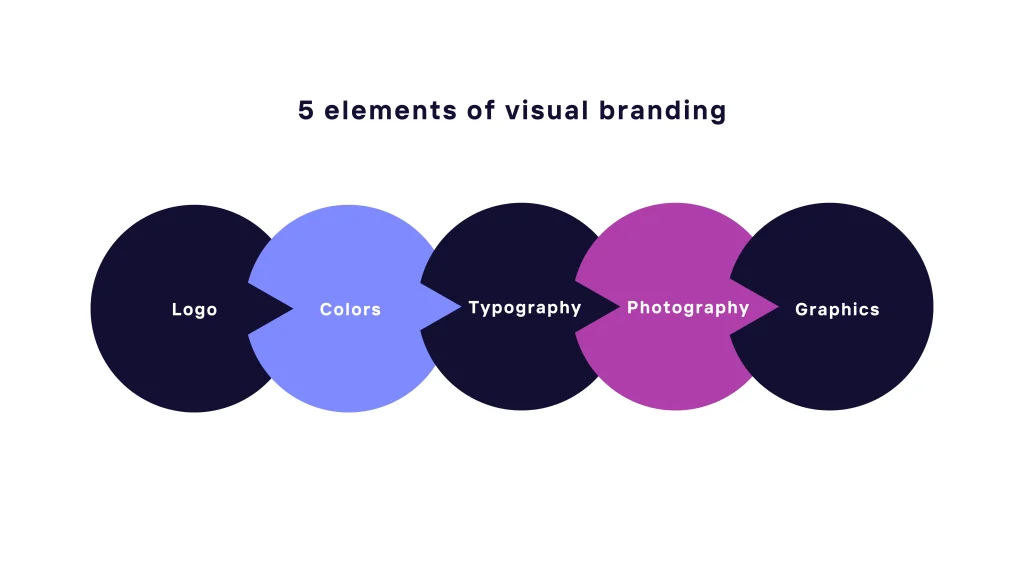
Visual identity plays a critical role in signaling the merger to customers and employees. Elements to consider include:
Consistency in visual identity reinforces credibility and reduces confusion across touchpoints. A unified design language communicates professionalism and strategic intent.
A cohesive brand voice is essential for a successful transition. All messaging should be aligned with the new brand strategy, including:
Ensure that messaging addresses the rationale for the merger, the value to customers, and the benefits of the combined entity. Highlight continuity where appropriate, while emphasizing new capabilities or offerings.
Employees are critical ambassadors during a merger or acquisition. Engaging them early helps:
Strategies include internal newsletters, workshops, training sessions, and feedback channels. Employees who understand and support the new brand will communicate more effectively with customers, partners, and vendors.
Communicating the rebrand to customers is as important as the internal alignment. Best practices include:
A phased rollout can help manage customer perception and minimize confusion. Digital campaigns, email announcements, social media, and PR are effective tools for communicating the new brand identity.
Rebranding is an ongoing process. After the initial rollout, monitor performance to ensure the new brand resonates and achieves intended goals. Key metrics include:
Collecting feedback from employees, customers, and partners can help identify areas for adjustment and ensure that the brand remains consistent and effective.
Digital tools streamline the rebranding process and ensure consistency across channels. Consider using:
Technology supports efficient execution, minimizes errors, and enables data-driven decision-making during and after the rebrand.
Finally, celebrate the launch of the new brand both internally and externally. Hosting events, publishing case studies, and showcasing success stories reinforces brand credibility, strengthens stakeholder engagement, and creates a sense of momentum. Recognition and celebration help embed the new brand into company culture and market perception.
Rebranding after a merger or acquisition is a complex, high-stakes process. By conducting a thorough brand audit, defining a unified strategy, creating a cohesive visual identity, aligning messaging, engaging employees, and communicating effectively with customers, companies can integrate two brands seamlessly.
Successful brand integration protects equity, strengthens market positioning, and fosters trust among employees, customers, and stakeholders. Companies that approach rebranding with strategic planning and careful execution are better positioned to realize the full benefits of a merger or acquisition.
New Light Digital helps companies navigate the challenges of rebranding after mergers and acquisitions. Our team specializes in creating cohesive brand identities, aligning messaging, and executing marketing strategies that ensure a seamless integration of two brands.
Schedule a free consultation today to learn how we can help your company successfully integrate and elevate your brand after a merger or acquisition.
Further reading:

Discover the updated 2026 price list for digital marketing services, complete with the latest trends and cost factors shaping the industry. From SEO and PPC to social media, influencer marketing, and web design, we break down what businesses should expect to pay this year. Make smarter budget decisions with real insights tailored for 2026.
Discover how to optimize landing pages for lead generation in niche industries. Learn practical strategies to improve conversions, attract qualified traffic, and turn visitors into leads.

Planning to take your business worldwide? Learn what rebranding for global expansion really involves, including cultural alignment, messaging, and digital strategy to support international growth.