
AI paid search could reshape digital advertising as generative AI platforms evolve. Discover what businesses should do now to prepare for AI-driven ads, from strengthening content authority to improving technical SEO and data strategies.
The digital marketing world is on the edge of another major transformation as AI paid search begins to reshape how businesses approach online advertising. For years, companies have relied heavily on traditional search platforms like Google Ads to drive traffic and conversions. However, the rapid rise of generative AI tools such as ChatGPT is reshaping how users discover information, evaluate products, and make purchasing decisions.
As AI assistants become embedded into everyday workflows, from research to shopping to customer support, marketers are increasingly asking the same question: when will paid advertising appear inside AI search experiences? While there is no universal rollout yet, industry signals strongly suggest that AI-driven paid search models are inevitable.
For businesses, the most important takeaway is simple. Waiting until AI advertising officially launches will likely put companies at a disadvantage. Organizations that prepare now will be far better positioned to compete once AI search monetization becomes mainstream.
To understand why preparation matters, it helps to recognize how AI search differs from traditional search engines. In conventional search environments, users type keywords and receive lists of links. Advertisers compete for placement based on bids, relevance, and quality scores.
AI search functions differently. Instead of presenting links, it delivers synthesized answers generated from multiple sources. This fundamentally changes the advertising model because users may no longer click through to websites as often. Instead, they may interact directly with AI-generated recommendations.
Major technology companies are already moving in this direction. Microsoft has integrated AI into its search ecosystem, while OpenAI continues to explore monetization strategies for conversational platforms. These developments indicate that paid placements within AI responses are likely to emerge as a new advertising channel.
When that happens, the competition will not simply revolve around keywords. It will revolve around authority, data quality, brand trust, and machine-readable content.
Historically, companies that adapt early to digital advertising shifts tend to gain significant competitive advantages. Early adopters of search engine optimization, pay-per-click advertising, and social media marketing often established long-lasting market dominance.
AI search will likely follow a similar pattern. Businesses that optimize their digital presence now will be more likely to appear in AI-generated recommendations later. Those that wait may struggle to catch up because AI systems rely heavily on existing data signals when determining credibility and relevance.
Preparation is not about predicting exact ad formats. It is about strengthening the foundational elements that AI systems use to evaluate businesses.
One of the most important steps businesses can take is improving their content authority. AI systems prioritize trustworthy, informative, and well-structured content when generating responses. Companies that consistently publish high-quality educational material are more likely to be cited or referenced by AI tools.
Content should focus on answering real customer questions rather than targeting isolated keywords. Long-form guides, expert insights, and in-depth resources tend to perform particularly well in AI-driven search environments.
Consistency also matters. Regular publishing signals to AI systems that a business is active, credible, and knowledgeable within its industry.
Traditional SEO often focuses on short keyword phrases. AI search, however, is conversational. Users ask full questions rather than typing brief terms.
Businesses should begin optimizing content for natural language queries. This includes incorporating question-based headings, clear explanations, and direct answers within content.
Frequently asked questions sections can also be highly effective because they align closely with how users interact with AI systems. Structuring content in a conversational format makes it easier for AI tools to interpret and surface relevant information.
AI search systems rely heavily on structured data to understand context. Businesses should prioritize technical SEO improvements that make their content easier for machines to read.
This includes implementing schema markup, optimizing site architecture, improving page load speeds, and ensuring mobile compatibility. These technical factors help AI systems accurately interpret content and determine its relevance.
Without proper technical optimization, even high-quality content may struggle to appear in AI-generated responses.
Brand credibility will likely play an even larger role in AI advertising than in traditional search. AI systems aim to provide reliable information, which means they often prioritize sources with strong reputations.
Businesses can strengthen trust signals by earning positive reviews, securing authoritative backlinks, and maintaining consistent branding across digital channels. Thought leadership content, industry partnerships, and media mentions can also enhance perceived authority.
In an AI search environment, brand trust may become just as important as keyword optimization.
As AI advertising evolves, access to reliable data will become increasingly valuable. Businesses should invest in building robust first-party data strategies now.
This includes collecting customer insights through email marketing, loyalty programs, analytics platforms, and CRM systems. First-party data helps companies understand audience behavior and personalize future advertising campaigns within AI-driven platforms.
Organizations that rely solely on third-party data may face limitations as privacy regulations continue to tighten.
AI paid search will likely introduce entirely new advertising formats. Instead of traditional text ads, businesses may see sponsored recommendations embedded within AI-generated answers, interactive product suggestions, or conversational promotional placements.
Preparing for these formats requires a shift in mindset. Rather than focusing solely on clicks, businesses should prioritize relevance, value, and helpfulness in their messaging.
Companies that provide genuinely useful information will be more likely to earn visibility within AI-powered advertising environments.
Success in AI search will not come from a single tactic. It will require a comprehensive strategy that combines content marketing, technical optimization, brand building, and data management.
Businesses should begin treating AI visibility as a long-term investment rather than a short-term campaign. This means continuously monitoring trends, updating content, and adapting to evolving algorithms.
Working with experienced digital marketing professionals can help organizations navigate this complex transition and stay ahead of emerging changes.
The companies that benefit most from AI advertising will be those that act early. Waiting until paid AI search launches could mean entering a crowded landscape where competitors already have established authority and optimized content ecosystems.
Taking proactive steps now allows businesses to build a strong foundation before the advertising environment becomes fully competitive.
This preparation can lead to greater visibility, stronger brand recognition, and higher return on investment once AI advertising platforms mature.
AI powered search is not a distant future concept. It is rapidly becoming a central part of how consumers find information and make decisions. As platforms like ChatGPT continue evolving, paid advertising opportunities within AI interfaces are likely to emerge.
Businesses that focus on content quality, technical optimization, data ownership, and brand trust will be best positioned to succeed in this new environment. Preparation today can create a lasting competitive advantage in the AI-driven marketing landscape of tomorrow.
If your organization wants to stay ahead of AI search trends and build a future-ready digital strategy, expert guidance can make all the difference.
Schedule your free consultation today. A tailored strategy can help your business strengthen its digital foundation now so you are ready when AI paid search officially arrives.
Further reading:

Does AI search favor big brands, or can smaller businesses compete? As AI-driven search reshapes visibility, understanding how sources are selected is critical. This guide explains how to optimize your brand for AI-generated results and improve your chances of being featured.

AI search PPC campaigns are transforming how businesses approach paid advertising. As AI-driven results reduce traditional clicks, marketers must adapt with new targeting strategies, smarter data use, and more relevant content to stay competitive in an evolving digital landscape.
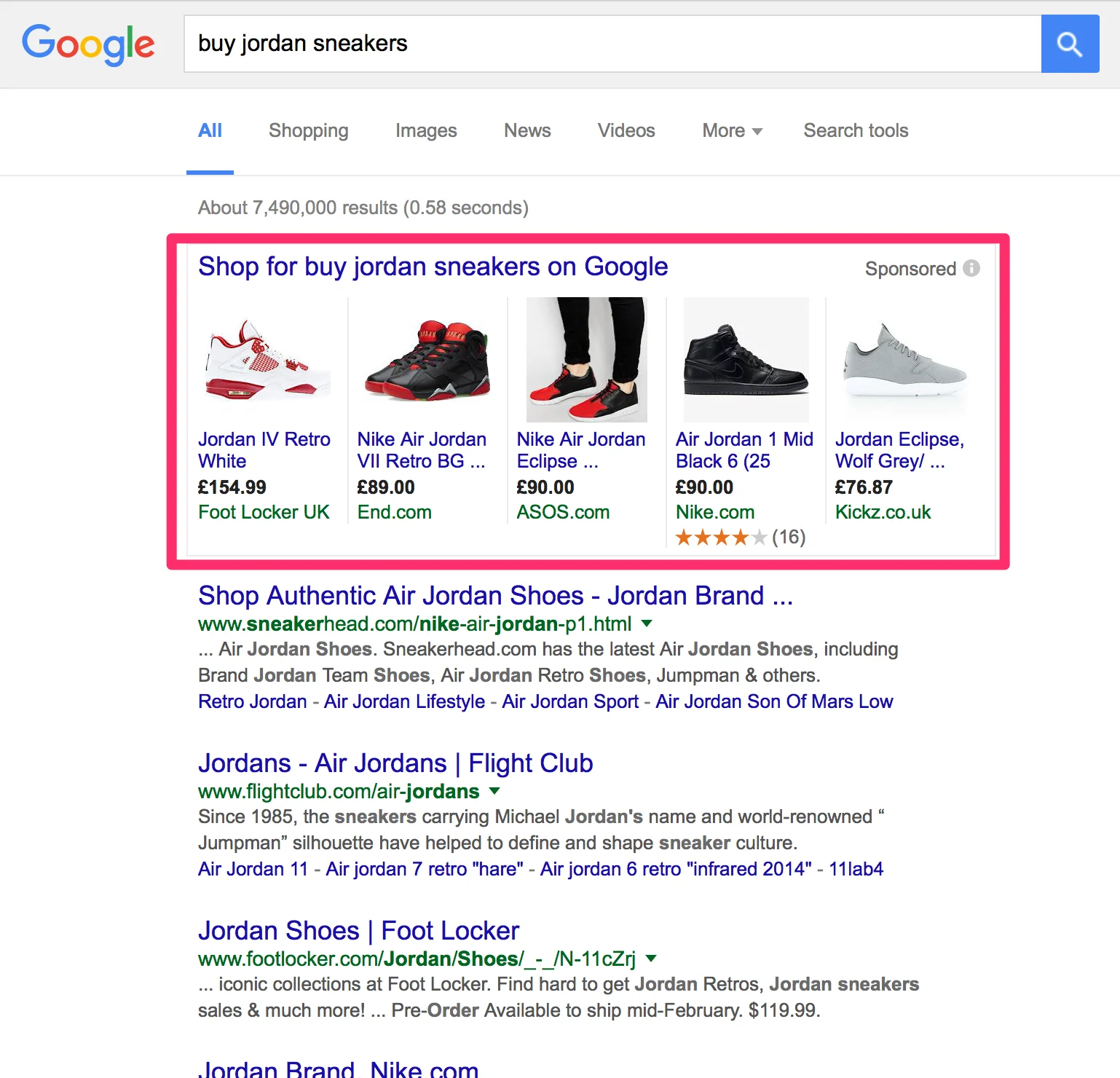
Google is rolling out Shopping Ads to 15 additional European markets in two phases. Here is what retailers need to know to prepare.