
Does AI search favor big brands, or can smaller businesses compete? As AI-driven search reshapes visibility, understanding how sources are selected is critical. This guide explains how to optimize your brand for AI-generated results and improve your chances of being featured.
Artificial intelligence is transforming how people search online, raising the question: does AI search favor big brands? Instead of browsing through pages of links, users increasingly rely on AI-generated answers from tools such as Google AI Overviews, chatbots, and conversational search interfaces. These systems summarize information from multiple sources and often mention specific brands directly in their responses.
This shift raises an important question for businesses: does AI search favor large, well-known brands?
In many cases, established companies do appear more frequently in AI-generated answers. However, that does not mean smaller businesses cannot compete. Understanding how AI systems choose sources and structure answers is the key to gaining visibility.
With the right strategy, even emerging brands can appear in AI search results and benefit from the new era of search.
AI-driven search is rapidly becoming a dominant way people find information online. Instead of simply returning a list of links, modern search engines increasingly generate summaries that answer a user’s question directly.
Research from Bain and Company shows that around 80 percent of search users rely on AI-generated summaries for at least 40 percent of their searches. At the same time, roughly 60 percent of searches now end without the user visiting another website.
This “zero-click” trend means visibility inside AI-generated responses is becoming just as important as ranking on traditional search engine results pages.
For brands, the challenge is clear. If your business is not referenced in these AI-generated answers, potential customers may never encounter your brand during the research process.
Large brands often have an advantage in AI search because they already possess many of the signals that artificial intelligence systems rely on. This helps explain why many ask: does AI search favor big brands?
AI search engines prioritize content they consider reliable, authoritative, and widely recognized. Established companies frequently meet these criteria because they have extensive online presence, large volumes of content, and numerous mentions across the web.
Studies show that AI systems strongly favor authoritative sources. Pages with stronger authority signals and broader recognition are cited more often in AI-generated responses.
In addition, research indicates that established publishers and major media outlets are cited significantly more often in AI-generated search summaries, reinforcing their visibility advantage.
This creates a feedback loop. When a brand appears frequently in AI-generated answers, it gains even more recognition and authority, which increases its chances of being cited again in future responses.
However, this advantage does not mean AI search is completely dominated by large brands.
Although big brands often benefit from strong authority signals, AI search works differently from traditional search engine rankings.
Research shows that many of the sources cited by AI systems do not appear in the top organic search results. In fact, about 80 percent of sources cited in AI-generated answers are not part of the traditional top results.
This means AI search is drawing from a much broader pool of content than standard search rankings.
Instead of simply promoting the highest-ranking pages, AI systems evaluate information across multiple sources and assemble answers based on credibility, relevance, and clarity.
This broader approach creates opportunities for smaller brands that produce high-quality, well-structured content.
To understand how to optimize for AI search, it is important to understand how these systems decide which brands to include in responses.
AI platforms rely on a combination of trust signals, content signals, and entity recognition.
AI systems prefer sources they perceive as trustworthy. Signals that influence credibility include expert authorship, accurate information, and clear references.
Content lacking attribution or evidence is less likely to be cited by AI systems.
AI search engines rely heavily on entity recognition. This means they must clearly understand what a brand is and what it represents.
If a brand appears inconsistently across different websites or uses multiple variations of its name, AI systems may struggle to identify it as a reliable entity.
Mentions across the web help AI systems verify that a brand is recognized within its industry.
Research suggests that references from external websites, publications, and reviews contribute to AI’s perception of authority and credibility.
AI systems prefer content that is easy to interpret and extract information from.
Well-organized pages with headings, clear explanations, and concise answers are easier for AI models to analyze and include in generated responses.
These signals collectively determine whether a brand becomes visible in AI search results.
While large brands have advantages, the structure of AI search also creates new opportunities.
Unlike traditional rankings, AI systems frequently cite diverse sources and fresh content. Studies show that AI-cited content is often significantly newer than content cited in traditional search results.
Additionally, AI-generated responses may pull information from niche experts and specialized sources rather than only the largest websites.
This means smaller companies that demonstrate clear expertise can still gain visibility if their content provides strong, authoritative answers.
In many cases, AI search rewards topical authority rather than sheer brand size.
One of the most encouraging insights about AI search is that brands still have significant control over their visibility.
Analysis of millions of AI citations shows that a large share of the sources referenced by AI systems come from brand-owned properties such as company websites and listings. In fact, about 86 percent of AI citations come from sources brands control directly.
This means businesses can influence AI visibility by improving their own content and digital presence.
Rather than relying entirely on external websites, brands can actively shape how AI systems understand and reference their expertise.
Businesses that want to appear in AI search results must rethink their digital marketing strategies.
Traditional search engine optimization remains important, but optimizing for AI-generated answers requires additional steps.
AI search systems prioritize brands that demonstrate clear expertise in a specific topic.
Rather than publishing broad or generic content, businesses should focus on creating in-depth resources that answer real user questions.
Topic clusters, comprehensive guides, and educational articles help establish a brand as a trusted source.
AI systems analyze web content by breaking it into smaller information units.
Content that includes headings, bullet points, summaries, and direct answers is easier for AI models to process and reference.
Structured content also increases the likelihood that specific sections will be cited within AI-generated answers.
Expert authorship and transparent information sources help reinforce trust signals.
Including author bios, citations, and research-backed claims can improve credibility and increase the likelihood that AI systems will reference your content.
Consistency is critical for entity recognition.
Your brand name, description, and positioning should remain consistent across your website, social profiles, and online listings.
When AI systems encounter consistent information across multiple sources, they can more easily recognize your brand as a credible entity.
External recognition plays a significant role in AI visibility.
Mentions from reputable publications, industry blogs, and trusted organizations reinforce your authority and improve the likelihood that AI models will cite your brand.
Public relations campaigns, partnerships, and guest content can help expand these mentions.
AI systems increasingly prioritize fresh information.
Regularly updating articles, adding new insights, and refreshing statistics can improve the likelihood that your content will appear in AI-generated responses.
Freshness signals also indicate that your brand remains active and authoritative within its field.
The rise of AI-powered search is creating a new discipline sometimes called Generative Engine Optimization.
Instead of focusing solely on ranking webpages, marketers must now optimize how their brand is represented in AI-generated answers.
In this environment, brand visibility depends on credibility, expertise, and recognition across the digital ecosystem.
Businesses that invest early in these signals will have a significant advantage as AI search continues to evolve.
AI search is changing how people discover brands online. While large companies often appear more frequently in AI-generated answers, this advantage is largely the result of strong authority signals rather than brand size alone.
Smaller businesses can still compete by building topical expertise, publishing structured and credible content, and establishing a consistent digital presence.
The brands that succeed in AI search will be those that understand how these systems evaluate information and position themselves as trusted sources within their industries.If your business wants to stay visible in the rapidly changing search landscape, expert guidance can make a significant difference.
Schedule a free consultation with New Light Digital to learn how your brand can optimize for AI search and stay ahead of the competition.
Further reading:

AI search PPC campaigns are transforming how businesses approach paid advertising. As AI-driven results reduce traditional clicks, marketers must adapt with new targeting strategies, smarter data use, and more relevant content to stay competitive in an evolving digital landscape.
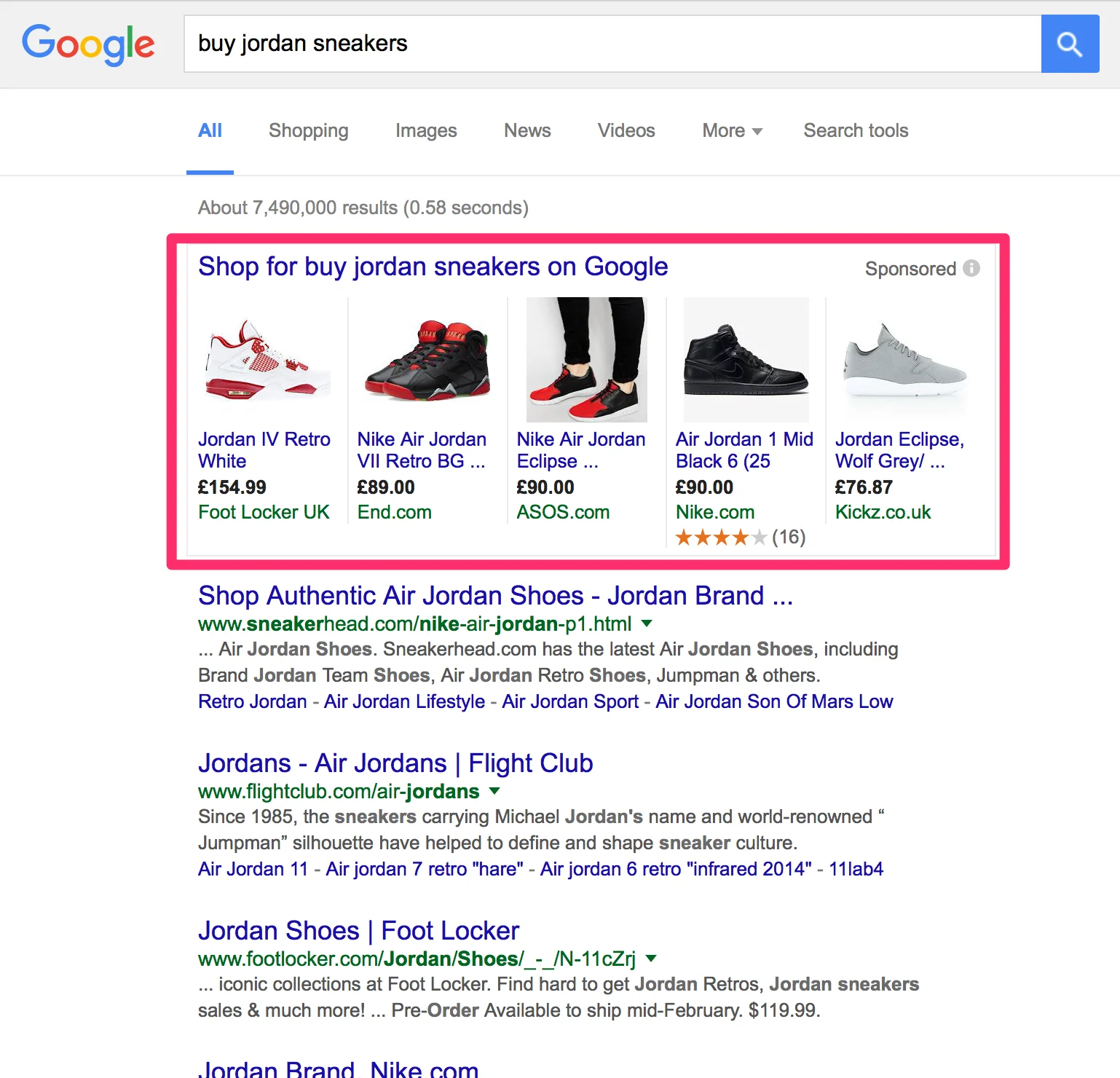
Google is rolling out Shopping Ads to 15 additional European markets in two phases. Here is what retailers need to know to prepare.
AI search vs traditional rankings are reshaping online visibility. Discover what matters now and how to adapt your SEO strategy to stay competitive.


No comments