Planning to take your business worldwide? Learn what rebranding for global expansion really involves, including cultural alignment, messaging, and digital strategy to support international growth.
Expanding your business into international markets is a bold and exciting move, but rebranding for global expansion comes with a unique set of branding challenges. What resonates with your local audience may not translate globally, and the way your brand looks, sounds, and connects must evolve to reach new cultures and markets effectively.
That is where a strategic rebrand becomes critical. Whether you are entering a new region or scaling across continents, a thoughtful rebranding approach helps you align your identity with diverse audiences while maintaining the authenticity that made your business successful in the first place.
In this guide, we will explore what to consider when rebranding for global expansion, from brand positioning and cultural relevance to digital strategy and design.
Rebranding is not just about a new logo or tagline. It is about repositioning your company to compete, connect, and communicate effectively in a broader market.
According to a 2024 report by Kantar, 75 percent of consumers are more likely to buy from brands that offer culturally relevant experiences in their region. That means your brand must feel local everywhere you go.
When companies go global, they often face three key challenges that trigger a rebrand:
A global rebrand ensures your identity, messaging, and strategy scale seamlessly while adapting to each local audience.
Before you can expand internationally, you need clarity on why your brand exists and how that purpose translates across cultures. A global vision statement helps guide every part of your rebrand, from design choices to marketing strategies.
Ask yourself:
For instance, when Airbnb expanded globally, it redefined its mission from “finding places to stay” to “belonging anywhere.” This universal message transcended language barriers and connected emotionally with travelers worldwide.
A strong global brand purpose should resonate universally while allowing local interpretation.
Cultural sensitivity is one of the most important elements of a successful international rebrand. What feels professional or aspirational in one market could seem inappropriate or tone-deaf in another.
According to the Harvard Business Review, 70 percent of global expansion failures stem from poor cultural understanding and lack of localization strategy. Research helps you avoid these pitfalls.
Areas to study include:
Partnering with a global marketing agency, like New Light Digital, which specializes in brand development and digital strategy, can help you analyze markets and design an informed rebrand strategy that resonates with international audiences.
Your logo, color palette, and typography form the foundation of your visual identity. When going global, these elements need to balance consistency with adaptability.
Consider how your visuals appear across languages, cultures, and mediums. For example:
A strong global identity is modular. It keeps your core visual DNA while allowing localized variations. Coca-Cola’s logo, for instance, remains consistent worldwide, but its advertising design and packaging colors adapt to regional preferences.
When rebranding, create brand guidelines that define how your visuals should appear across regions while allowing flexibility for local adaptation.
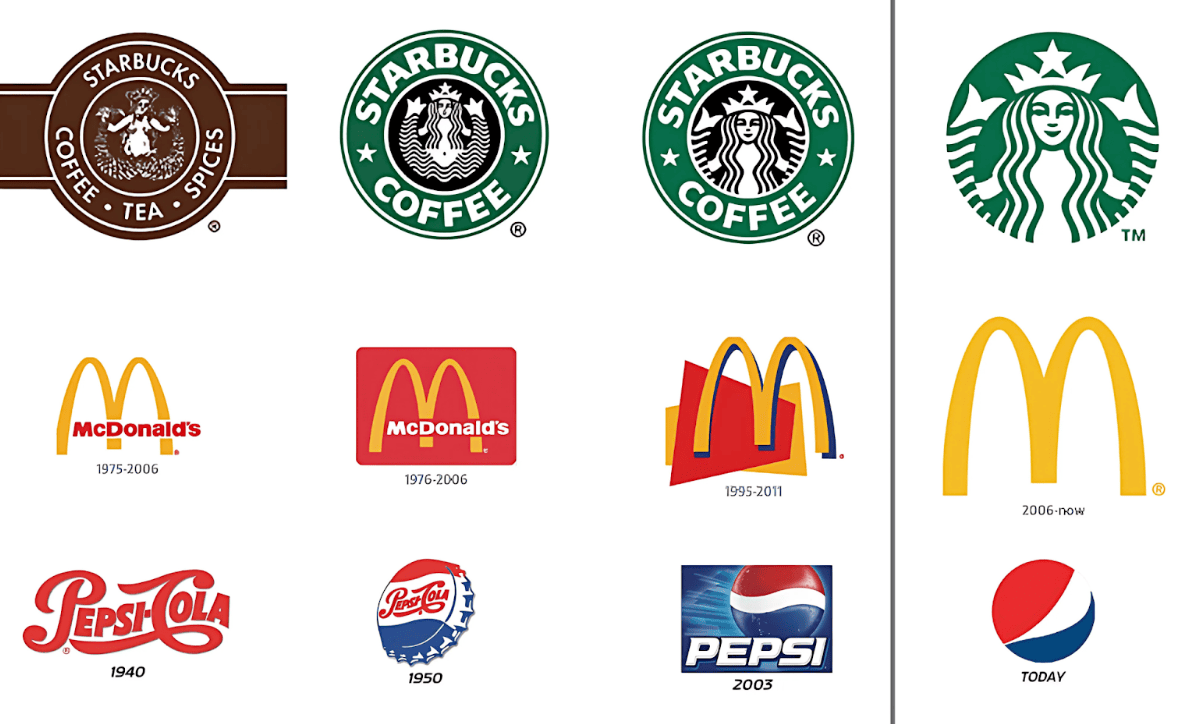
Global messaging requires nuance. It should communicate your value clearly while reflecting regional tone, emotion, and context.
Use these principles to guide your messaging rebrand:
A 2024 Nielsen study found that 68 percent of global consumers prefer brands that “speak their language,” not just linguistically but emotionally. Localization goes beyond translation; it means aligning your story with cultural values, holidays, and social norms.
In today’s digital-first landscape, your online presence is often your first impression. That makes digital strategy a cornerstone of global rebranding.
Here’s how to adapt your digital ecosystem for international growth:
1. Multilingual Website and SEO Optimization
Your website should offer localized language options and be optimized for region-specific search engines. For instance, Google dominates globally, but Yandex leads in Russia, and Baidu rules China. Local SEO ensures visibility across markets.
2. Global Social Media Presence
Your social media strategy should mix global and regional channels. While Instagram and LinkedIn are universal, networks like WeChat, Line, and VK are vital in Asia and Eastern Europe.
3. Culturally Relevant Content Marketing
Blog posts, videos, and social content should reflect local trends and values. A content calendar tailored to international audiences can help maintain engagement year-round.
4. Data Privacy and Compliance
Each country has unique digital regulations, like GDPR in Europe or PIPL in China. Ensure compliance to maintain customer trust.
A global digital strategy requires strong analytics and local insights. Agencies like New Light Digital integrate data-driven insights, creative storytelling, and digital innovation to help brands scale successfully across regions.
A rebrand is only as strong as the people behind it. Before launching globally, ensure your internal team understands and supports the new direction.
According to McKinsey & Company, companies with strong internal brand alignment see 20 to 25 percent higher brand consistency and customer trust across markets.
Ways to foster internal alignment:
This human element is crucial for maintaining brand authenticity worldwide.
A successful global rebrand does not happen overnight. It is a phased process.
Start with a pilot launch in one or two regions to test audience response. Collect feedback on everything from visuals to messaging and adjust accordingly before rolling out to other markets.
Once launched, track performance through KPIs such as:
Analytics tools and ongoing research help refine your brand continuously. Rebranding is not a one-time event. It is a long-term commitment to evolution.
Once your brand has established a foothold in new markets, the key to long-term success lies in consistency. Global audiences need to recognize and trust your brand while feeling that it understands their local culture.
Brands like Apple and Nike excel at this balance. Apple’s sleek, minimalist branding remains constant worldwide, while its marketing adapts to regional aesthetics and holidays. Nike’s “Just Do It” slogan is universal, but its campaigns spotlight local athletes and community initiatives in each country.
As your business grows, revisit your brand strategy regularly to ensure it continues to resonate with both global and local audiences.
Even the most experienced companies can stumble when expanding abroad. Avoid these common pitfalls:
Learning from others’ mistakes can save valuable time and resources as you scale.
Rebranding for global expansion is not just a design update. It is a reinvention of how your business connects with the world. The right strategy blends universal identity with local relevance, balancing innovation with authenticity.
By investing in market research, adapting your messaging, and building a culturally attuned digital presence, you set the stage for long-term international success.
A strategic partner can make all the difference. New Light Digital helps businesses navigate global expansion through data-driven insights, digital marketing expertise, and creative brand development.
The world is ready for your brand. Make sure your brand is ready for the world. Whether you are refining your message for one new region or building a multi-market strategy, rebranding with a global mindset is your key to sustainable success.
Schedule a free consultation with New Light Digital today to discuss how to position your brand for worldwide growth.
Further reading:

ChatGPT ads are no longer theoretical. They are already being tested. The brands that prepare now will not just be ready to advertise in AI. They will be ready to capture demand earlier, convert better, and outrun slower competitors.

Discover the updated 2026 price list for digital marketing services, complete with the latest trends and cost factors shaping the industry. From SEO and PPC to social media, influencer marketing, and web design, we break down what businesses should expect to pay this year. Make smarter budget decisions with real insights tailored for 2026.
Rebranding after a merger requires more than a new logo. Discover how to align messaging, culture, and brand identity to integrate two brands seamlessly and preserve market confidence.