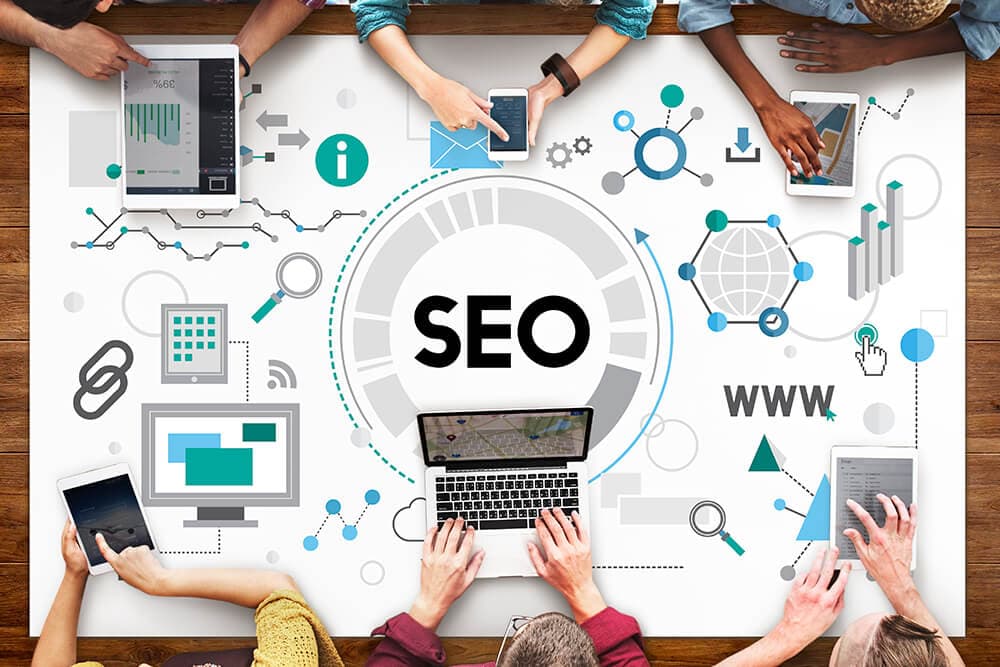
A successful website needs more than good design. Discover how an SEO and marketing launch helps drive visibility, traffic, and conversions from day one.
An SEO and marketing launch is one of the most important steps when launching a new website for any business. It represents a fresh start, a new brand presence, and an opportunity to attract and convert customers online. However, many businesses make a costly mistake during this process. They treat search engine optimization and marketing as separate efforts instead of integrating them from the very beginning.
If you want your website to succeed, SEO and marketing need to work together from day one. Otherwise, you risk building a site that looks great but fails to attract traffic or generate leads.
According to Google, the majority of online experiences begin with a search engine, making visibility a critical factor in website success. At the same time, research from HubSpot shows that businesses that prioritize inbound marketing strategies are more likely to generate consistent, high-quality leads.
When combined strategically, SEO and marketing create a powerful foundation for long-term growth. Here is how to do it right from the start.
SEO is often viewed as a technical discipline focused on rankings, while marketing is seen as messaging and promotion. In reality, the two are deeply interconnected.
SEO ensures your website can be found. Marketing ensures visitors take action once they arrive.
Without SEO, your site may never reach your audience. Without marketing, your traffic may never convert.
The Content Marketing Institute emphasizes that aligning content strategy with search intent is essential for driving meaningful engagement. This alignment is only possible when SEO and marketing are planned together.
When these efforts are integrated, you create a seamless experience that attracts the right visitors and guides them toward becoming customers.
Every successful website begins with a deep understanding of its audience. Before designing pages or writing content, you need to know what your potential customers are searching for and why.
Keyword research is a core part of SEO, but it is also a powerful marketing tool. It reveals the language your audience uses, the problems they are trying to solve, and the level of intent behind their searches.
Tools like Google Keyword Planner and SEMrush can help identify valuable keywords, but the real goal is to understand user intent.
Are people looking for information, comparing options, or ready to make a purchase? Each type of search requires a different approach.
By aligning your messaging with search intent, you ensure your content resonates with the right audience from the beginning.
Your website’s structure plays a major role in both search visibility and user experience. A well-organized site makes it easier for search engines to crawl and index your pages while helping visitors find what they need quickly.
This includes clear navigation, logical page hierarchy, and optimized URLs.
According to Nielsen Norman Group, users rely on predictable navigation patterns to find information efficiently. If your site is confusing or disorganized, visitors are more likely to leave.
From an SEO perspective, a strong structure helps distribute authority across your pages and improves your chances of ranking.
From a marketing perspective, it guides users through a journey that leads to conversion.
Content is where SEO and marketing truly intersect. It needs to rank well in search engines while also persuading visitors to take action.
Start by creating high-quality content that answers real questions and provides value. Then optimize it with relevant keywords, clear headings, and structured formatting.
But optimization does not stop there. Your content must also include compelling messaging, clear benefits, and strong calls to action.
According to Search Engine Journal, content that aligns with both search intent and user needs is more likely to rank and convert.
This means balancing technical optimization with persuasive storytelling.
Technical SEO is often overlooked during website launches, but it is critical for long-term performance.
Key elements include:
Research supported by Google shows that as page load time increases, the likelihood of users leaving rises significantly. Slow websites not only rank lower but also lose potential leads.
Make sure your site is optimized for speed and performance before it goes live. This includes compressing images, minimizing code, and using reliable hosting.
Technical SEO may not be visible to users, but it directly impacts both rankings and conversions.
Many businesses wait until after launch to think about content marketing. This delay can cost valuable time and momentum.
Instead, develop a content plan before your website goes live. This plan should include blog posts, landing pages, and other resources designed to attract and engage your audience.
HubSpot reports that companies that publish consistent content generate more leads than those that do not.
By preparing content in advance, you can start driving traffic immediately after launch.
Your content strategy should also support your SEO goals by targeting relevant keywords and building topical authority.
Traffic alone is not enough. Your website needs to convert visitors into leads or customers.
Calls to action should be clear, visible, and aligned with the user’s stage in the buying journey.
For example, someone reading an informational blog post may not be ready to make a purchase, but they might be willing to download a guide or sign up for a newsletter.
According to WordStream, effective calls to action are specific, action-oriented, and focused on user benefits.
By tailoring your calls to action to different types of visitors, you can increase conversion rates without sacrificing user experience.
Launching your website is just the beginning. To improve performance, you need to track and analyze user behavior.
Tools like Google Analytics and Google Search Console provide valuable insights into how users find and interact with your site.
You can see which pages attract the most traffic, where users drop off, and which keywords drive visits.
This data allows you to refine your SEO and marketing strategies over time.
The Content Marketing Institute emphasizes that data-driven decision-making is essential for optimizing content and improving results.
SEO does not end with on-page optimization. Off-page factors like backlinks also play a major role in search rankings.
Promoting your content through outreach, partnerships, and social media can help build authority and drive traffic.
At the same time, marketing efforts like email campaigns and paid advertising can amplify your reach.
By combining these strategies, you create a feedback loop where marketing drives traffic and SEO strengthens visibility.
When launching a new website, it is easy to overlook important details.
Some of the most common mistakes include:
Avoiding these pitfalls requires careful planning and collaboration between SEO and marketing teams.
At New Light Digital, we specialize in building websites that do more than just look good. We create digital experiences that attract, engage, and convert.
Our approach integrates SEO and marketing from the ground up. From keyword research and site structure to content strategy and conversion optimization, we ensure every element works together.
We do not just launch websites. We build platforms for growth.
Launching a new website is a major opportunity, but success depends on how well you plan and execute your strategy.
By combining SEO and marketing from day one, you can create a website that not only attracts traffic but also turns visitors into leads and customers.
This integrated approach sets the foundation for long-term success and helps you get the most value from your investment.
Schedule a free consultation with New Light Digital to learn how we can help you combine SEO and marketing for better results.
Further reading:
Getting visitors but no inquiries? Learn why website traffic no leads is a common problem and discover the key issues preventing conversions.

Does AI search favor big brands, or can smaller businesses compete? As AI-driven search reshapes visibility, understanding how sources are selected is critical. This guide explains how to optimize your brand for AI-generated results and improve your chances of being featured.
AI search vs traditional rankings are reshaping online visibility. Discover what matters now and how to adapt your SEO strategy to stay competitive.


No comments